
Understanding OCR & OCV Inspection Systems: A Complete Guide

Updated: Aug 11

In modern manufacturing and industrial operations, a single misread label, an unverified print, or a missed surface defect can cost thousands in rework, recalls, and reputation. That is exactly why OCR inspection systems & OCV machine vision-based visual inspection have become non-negotiable for industries that demand zero-defect production.
Whether you run a pharmaceutical packaging line, an automotive assembly plant, or a high-speed FMCG facility, understanding these three technologies and how they complement each other can be the difference between 99% and 99.9% accuracy on your line.
This guide breaks down what OCR & OCV inspection systems are, how they work, where they differ, and why businesses across India are rapidly adopting them.
What Is OCR in Machine Vision?
Optical Character Recognition (OCR) is a machine vision technology that reads and interprets text, numbers, barcodes, and alphanumeric characters from physical surfaces, packaging, labels, parts, or product surfaces in real time.
In an industrial context, OCR is used to:
Read batch numbers, expiry dates, and serial numbers on product packaging
Verify lot codes and date stamps on pharmaceutical blisters and cartons
Capture part numbers on automotive components during assembly
Decode text from labels at high conveyor speeds without human intervention
How OCR Works in an Industrial Inspection System
An industrial OCR system uses a high-resolution camera to capture an image of the product or surface. The image is then processed by OCR software, which segments characters, compares them against trained models, and outputs the recognised text.
Modern OCR engines combine the following:
Pattern recognition algorithms for known fonts and character sets
Preprocessing filters (contrast enhancement, noise reduction) to handle low-quality prints
Region of interest (ROI) targeting to focus only on the relevant area of the label
Key advantage of OCR: speed and accuracy in reading variable data, which is especially critical in high-volume production environments where human readers would inevitably miss errors.
What Is OCV in Machine Vision?
Optical Character Verification (OCV) is a step beyond OCR. Instead of simply reading what is printed, OCV verifies whether the printed text matches a predefined expected value or golden template.
Think of it this way: OCR asks, 'What does this say?' OCV asks: Does this say exactly what it should say?
OCV is designed specifically for print quality verification, confirming that characters are legible, correctly positioned, complete, and match the intended output.
Where Is OCV Used?
OCV is critical in industries where print accuracy is a compliance requirement:
Pharmaceuticals: Verifying that expiry dates on blister packs are printed completely and correctly
Food & Beverage: Checking that MRP, batch codes, and use-by dates are accurate on every unit
Electronics: Confirming component markings match specifications
FMCG Packaging: Ensuring no smudging, missing characters, or misalignment on high-speed lines
How OCR and OCV Work Together in an Inspection Line
In a modern, fully automated inspection line, these technologies are not competing; they are complementary layers of quality control:
OCV systems verify that the print on the product (expiry date, lot code, and MRP) is complete, legible, and matches the expected value.
OCR systems read and capture variable data from the product, feeding it into the MES (Manufacturing Execution System) or ERP for full traceability.
Together, they create a zero-blind-spot inspection architecture covering physical quality, print quality, and data integrity in a single automated pass.
Key Industries Adopting OCR & OCV Inspection in India
Pharmaceutical Manufacturing:
In pharma, regulatory compliance is absolute. OCR reads batch IDs for serialisation; OCV confirms expiry dates on every blister pack. Automotive & Auto-Components:
Component traceability is mandatory for Tier 1 and Tier 2 automotive suppliers. OCR reads part numbers and engine codes at the line. FMCG & Food Packaging:
With high-speed packaging lines running thousands of units per hour, human inspection is simply not scalable. OCV catches every mislabelled, smudged, or illegible print. Electronics & PCB Manufacturing:
Machine vision inspection systems can identify solder bridges, missing components, and incorrect placements on PCBs with a precision that surpasses human inspectors even at a microscopic scale.
Logistics & Warehousing:
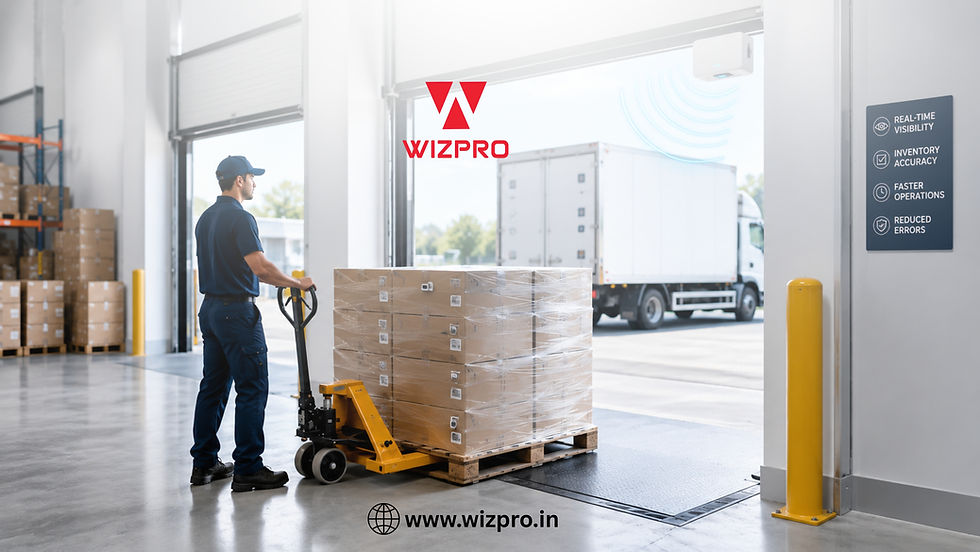
OCR systems read parcel barcodes, shipping labels, and pallet IDs in real time, enabling automated sorting, tracking, and warehouse management with near-zero manual intervention.
Benefits of Deploying OCR & OCV Inspection Systems
Eliminate Human Error: Automated inspection removes subjectivity and fatigue from the quality process. Machines inspect every unit, not just a sample.
Increase Throughput: High-speed machine vision systems can process hundreds of units per minute without slowing production lines, something manual inspection cannot match.
Achieve Regulatory Compliance: For pharma, food, and electronics manufacturers, automated inspection with full data logging is increasingly a regulatory requirement, not just a best practice.
Full Traceability: OCR-captured data feeds directly into ERP and MES systems, enabling end-to-end product traceability across the supply chain.
Rapid ROI: Organisations deploying machine vision inspection systems typically see return on investment within 6 to 18 months through reduced rework, lower rejection rates, and avoided recall costs.
Scalability: Unlike manual inspection teams, machine vision systems scale linearly. Add a camera, not a headcount.
What to Look for When Choosing a Machine Vision Inspection System
Before investing, evaluate your solution against these criteria:
Accuracy at line speed: Can the system inspect at full production throughput without degrading accuracy?
Integration capability: Does it connect to your existing systems?
Hardware compatibility: Does the system support the camera resolution, lighting, and lens configuration your application requires?
Local support: For deployments in India, is there reliable on-site support and system integration capability?
Data output: Does the system provide structured data logs, reject statistics, and audit trails?
Frequently Asked Questions
What is the difference between OCR and OCV in machine vision?
OCR (Optical Character Recognition) reads and decodes text from a surface. OCV (Optical Character Verification) confirms whether the printed text matches a predefined expected value and meets print quality standards. OCR captures data; OCV validates it.
What industries benefit most from OCV inspection systems?
OCV is most critical in industries where print accuracy is a compliance or safety requirement, such as pharmaceutical packaging (expiry dates and lot codes), FMCG (MRPs and batch numbers), and electronics (component markings). Any industry where mislabelling carries regulatory or safety risk benefits significantly from OCV.
How long does it take to deploy a machine vision inspection system? Deployment timelines vary. OCR and OCV systems for standard use cases can be deployed in days to weeks. What is the ROI on machine vision inspection systems?
ROI depends on the rejection rate, rework cost, production throughput, and regulatory risk profile of the facility. Most manufacturers report ROI within 6 to 18 months. High-value industries like pharma and automotive often see ROI within the first year due to avoided recall and compliance costs.
Is machine vision inspection suitable for small and mid-size manufacturers in India?
Yes. With modular, scalable system architectures and falling hardware costs, machine vision inspection is now accessible for SME manufacturers in India, particularly those supplying to automotive, pharma, or FMCG OEMs with strict quality requirements.
Conclusion:
Manual quality inspection is reaching its limits. As production speeds increase, product complexity grows, and regulatory requirements tighten, OCR & OCV inspection systems are no longer optional upgrades; they are the new baseline for competitive manufacturing.
For manufacturers in India looking to eliminate costly errors, achieve full traceability, and meet international quality benchmarks, the question is not whether to automate inspection; it is how quickly you can deploy a system that works at the speed and accuracy your production demands.
Ready to explore the right inspection solution for your production line?
Wizpro Technovations delivers end-to-end machine vision inspection systems, including OCR & OCV-based defect detection, tailored to pharmaceutical, automotive, FMCG, and electronics manufacturers across India.
Talk to our machine vision specialists today. Visit us at wizpro.in | Request a free demo for your facility.

Comments